

Understanding the psychological triggers behind gambling behavior in casinos
The Allure of Casinos
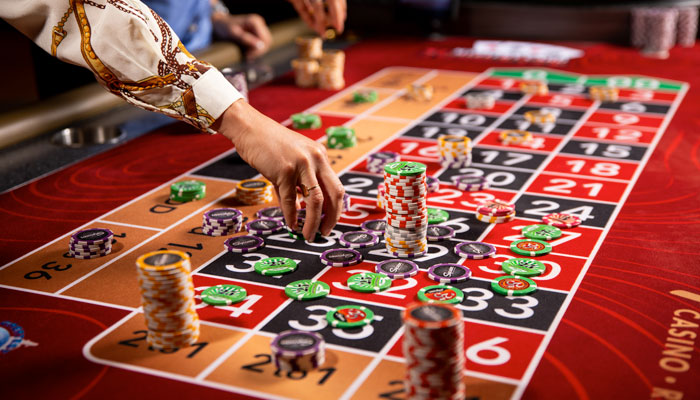
The design and ambiance of casinos are meticulously crafted to engage the senses and create a captivating experience. Bright lights, vibrant colors, and strategically placed sounds of winning machines contribute to an environment that stimulates excitement. This immersive atmosphere can evoke a psychological response that encourages players to indulge in gaming behavior, often overriding their rational decision-making capabilities. For many, the thrill of the casino becomes an enticing escape from everyday life, drawing them deeper into a world of possibility and risk. As players seek these experiences, they often turn to platforms like https://viphive-ca.com/ where exciting opportunities await.
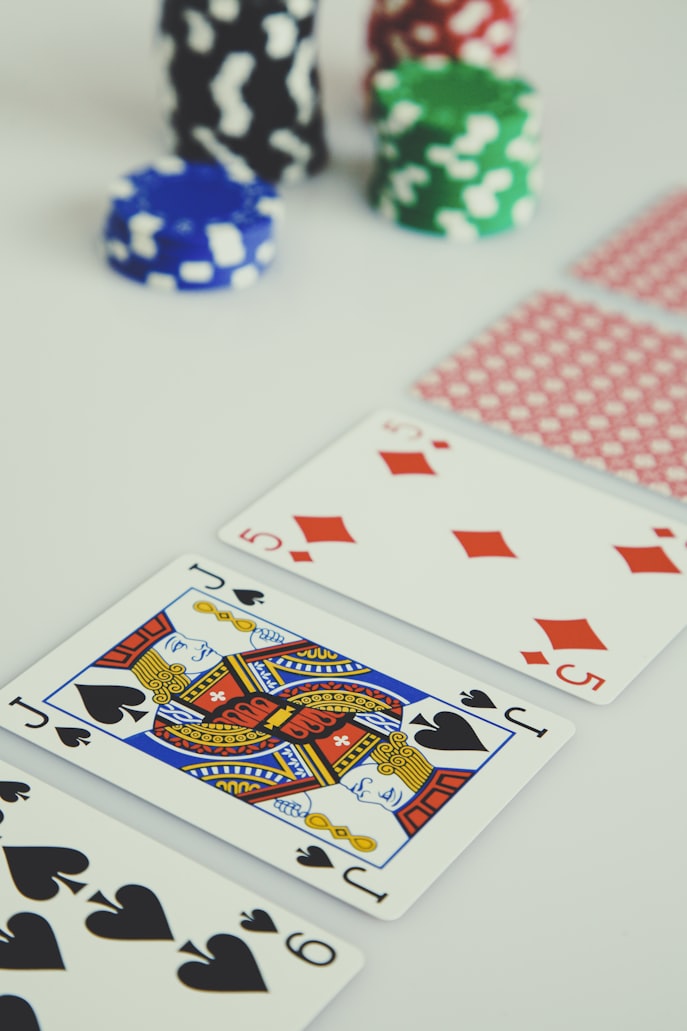
Moreover, casinos often employ techniques such as free drinks and comp programs to make players feel valued and enhance their gambling experience. This not only creates a sense of loyalty but also activates positive emotions associated with playing. The combination of environmental factors and psychological incentives can lead to prolonged gambling sessions, as players find it difficult to leave the vibrant setting. Understanding these elements is crucial for identifying how they influence behavior in gaming establishments.
The psychological impact of the casino atmosphere can also be amplified by social interactions. Gamblers often share experiences, celebrate wins, and even console each other during losses, fostering a sense of community. This social reinforcement can intensify the emotional highs and lows associated with gambling, making it hard for individuals to walk away from the tables. Recognizing this dynamic helps illustrate the broader context of gambling behavior and the powerful triggers at play within casinos.
The Role of Reinforcement and Reward
At the heart of gambling behavior lies the concept of reinforcement, particularly positive reinforcement, which encourages repeat actions based on rewards. Casinos leverage this principle through various mechanisms, such as intermittent rewards, which provide players with unexpected wins that create a thrill. This unpredictability can lead to a cycle where players continuously chase the next big win, often leading to compulsive gambling behavior. The brain’s release of dopamine during these moments reinforces the connection between gambling and pleasure, further complicating a player’s relationship with gaming.
Additionally, the availability of multiple games and betting options serves as a constant temptation for gamblers. The choice can create a sense of control, making players feel they can influence outcomes. This perception, paired with the anticipation of winning, can keep individuals engaged for extended periods, even if the odds are against them. Understanding how these rewards shape behavior can help in developing strategies to promote responsible gambling.
The effects of reinforcement in gambling extend beyond the individual. As players share their stories of wins, it can lead to social proof—where seeing others win encourages more gambling. This cycle can be particularly powerful in a casino environment, where one person’s excitement can influence others to join in, creating a shared experience that further enhances the allure of gambling. Acknowledging these social dynamics is essential for comprehending the triggers behind gambling behavior.
Cognitive Biases and Illusions of Control
Cognitive biases significantly influence gambling behavior, often leading individuals to make irrational choices based on their beliefs and experiences. One common bias is the illusion of control, where players believe they can influence outcomes, especially in games deemed skill-based. For instance, poker players may feel that their strategies can outsmart their opponents, while slot machine players might think their timing can affect when machines pay out. This misconception can perpetuate gambling behavior, as individuals feel empowered to continue playing.
Additionally, the gambler’s fallacy—believing that past events influence future outcomes—can play a substantial role in how people approach games of chance. For example, someone might believe that after several losses, a win is ‘due,’ prompting them to gamble more. These biases create a false narrative that can trap players in a cycle of continuous betting, often leading to financial consequences. Awareness of these cognitive biases can aid in developing effective interventions to help individuals recognize and mitigate their impact.
The interplay between cognitive biases and emotional responses further complicates gambling behavior. Players may experience heightened emotions, such as excitement or frustration, which can cloud judgment and lead to poor decision-making. This dynamic can create a perfect storm for compulsive gambling, where rational thought is replaced by impulsive actions driven by emotion. By understanding these cognitive triggers, individuals and professionals can better address the psychological underpinnings of gambling addiction.
The Impact of Marketing and Advertising
Marketing strategies employed by casinos are designed to tap into psychological triggers that prompt gambling behavior. Promotional materials often highlight potential wins, showcasing glamorous lifestyles and luxurious experiences associated with gambling. These messages can create aspirational goals for potential players, encouraging them to envision themselves as winners. Furthermore, the use of celebrities and influencers in advertising campaigns can amplify this effect, making gambling seem more enticing and socially acceptable.
Casinos also employ targeted advertising, utilizing data analytics to reach individuals more likely to engage with their platforms. This personalized marketing approach can lead to increased engagement and spending, as messages resonate more with potential players. Understanding the psychological effects of such targeted advertisements is crucial for recognizing their role in shaping gambling behavior, particularly among vulnerable populations.
Additionally, the rise of online casinos has introduced new marketing channels, including social media and affiliate marketing, that can reach a wider audience. The convenience of accessing gambling platforms at any time further blurs the line between entertainment and excessive behavior. Thus, recognizing the powerful impact of marketing strategies on gambling habits can help individuals make more informed decisions about their engagement with casinos.
Conclusion: The Future of Gambling Behavior in Casinos
As the landscape of gambling continues to evolve, particularly with advancements in technology and changes in societal attitudes, understanding the psychological triggers behind gambling behavior becomes increasingly important. Casinos must recognize their responsibility in fostering a safe environment, promoting responsible gambling practices, and providing resources for players who may be struggling. Educational initiatives that raise awareness about the psychological factors influencing gambling can empower individuals to make informed choices.
Moreover, as online casinos like VipHive Casino Canada offer a plethora of gaming options and rewards, it is essential to prioritize user safety. With over 8,000 slot games and a comprehensive support system, players can enjoy their gaming experiences while being mindful of their habits. The commitment to promoting responsible gambling and offering resources for help will contribute to a healthier gaming environment.
In conclusion, acknowledging the psychological triggers that drive gambling behavior is essential for both players and casino operators. By fostering awareness and understanding, the industry can work towards creating a balanced gaming experience that respects individual choices while mitigating the potential risks associated with gambling. The journey toward responsible gambling is ongoing, and by understanding these triggers, all stakeholders can contribute to a more sustainable gaming culture.
